
What Is the ROI of Influencer Marketing in Manufacturing?
The ROI of influencer marketing in manufacturing can significantly boost your brand's visibility and credibility. By collaborating with influencers who resonate with your brand values, you create powerful, personal content that engages their trusted communities. This strategy not only generates direct sales through unique tracking codes but also enhances brand loyalty and awareness, offering long-term value beyond immediate profits. Tools for detailed analytics help you measure the effectiveness of these campaigns, ensuring you can clearly see the impact on your bottom line. With the right strategy, influencer partnerships can transform your marketing outcomes and spark deeper interest in your products and processes.
Understanding ROI in Manufacturing
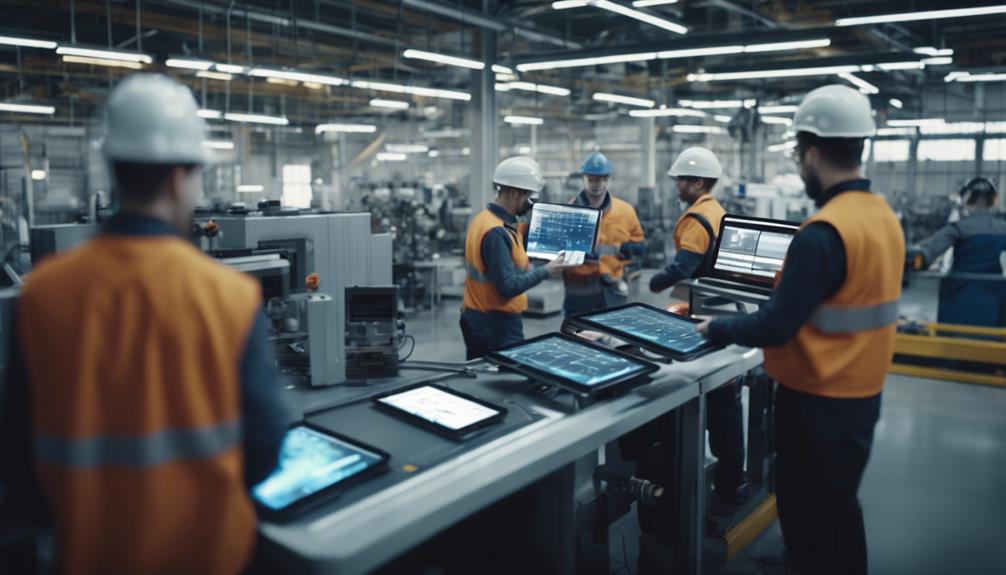
Understanding ROI (Return on Investment) in manufacturing is crucial as it directly affects your bottom line. It's not just about the numbers; it's about understanding where you fit in the larger community of producers and consumers. When you grasp how your investments in production, technology, and workforce contribute to your profits, you feel more connected to every part of the process.
Think about the machinery you've recently upgraded. Each piece isn't just a tool; it's part of your team's effort to enhance efficiency and output. By calculating the ROI, you're not only seeing a figure on a spreadsheet; you're recognizing the value contributed by everyone who touches that machine—from the operator to the maintenance crew.
Similarly, consider the training programs you implement. These aren't mere expenses; they're investments in your people. By measuring the ROI, you see how empowering your staff leads to better performance and, ultimately, a stronger position in the market. You're part of a community that values growth and skill development, which reflects in every product that leaves your line.
Essentials of Influencer Marketing
Influencer marketing's rise in the manufacturing sector is transforming traditional marketing strategies. As you explore this dynamic approach, you'll find it's about building relationships more than merely advertising products. You're not just reaching out to influencers; you're engaging with communities who trust these key opinion leaders.
First off, selecting the right influencers is crucial. You need individuals who resonate with your brand values and have a genuine connection with their followers. This isn't about finding someone with the most followers; it's about finding someone who can authentically advocate for your products in a way that feels natural and trustworthy.
Next, crafting a compelling narrative is essential. Your story should align with both your brand's ethos and the influencer's style. This synergy creates content that feels both personal and powerful, encouraging deeper audience engagement.
Measuring Impact on Sales

Once you've implemented influencer marketing strategies, it's crucial to measure their impact on your sales. You're not just running campaigns; you're fostering connections that can significantly boost your bottom line. To truly understand the effectiveness, you'll want to track specific metrics that link influencer activities directly to your sales increases.
Start by setting up unique tracking codes or affiliate links for each influencer. This allows you to see the direct sales each influencer generates, making it clear which partnerships are truly fruitful. You'll feel more connected to the process by watching how individual efforts translate into tangible results.
Moreover, consider the long-term value of customers acquired through influencer channels. Are these new clients making repeat purchases? This insight can help you gauge the sustaining impact of your influencer collaborations, reinforcing the feeling of community and ongoing engagement with your brand.
Engage with your sales team to review the leads and sales data. Their insights can help you understand nuances in the purchasing patterns that mightn't be immediately apparent. This collaborative approach not only enhances your strategy but also strengthens your team's cohesion and shared commitment to success.
Cost-Benefit Analysis Explained
After measuring the impact of your influencer marketing campaigns on sales, it's important to assess whether the financial outlay aligns with these benefits. You want to ensure that every dollar you spend not only returns its value but also contributes to the communal and economic goals of your manufacturing business.
To start, you'll compare the total costs of your influencer marketing efforts—including payments to influencers, content production, and any associated management tools—against the revenue generated from these campaigns. This calculation gives you a straightforward profitability figure, but the real understanding comes from digging deeper.
Consider the long-term benefits that mightn't immediately reflect in direct sales, such as increased brand awareness and customer loyalty. These elements are crucial as they create a sense of belonging among your customers, making them more likely to advocate for your brand within their communities.
Furthermore, factor in the cost of alternative marketing strategies. Would they offer better or comparable returns? It's not just about finding a positive ROI; it's about maximizing your investment compared to other avenues.
Case Studies and Success Stories

Exploring case studies and success stories can give you a clear picture of how influencer marketing has transformed the manufacturing industry. Imagine being part of a community where innovative marketing strategies aren't just discussed but actively demonstrated and shared. This is exactly what happened with a mid-sized tool manufacturer who partnered with a prominent DIY influencer. By showcasing their tools in action, they not only boosted their brand visibility but also directly engaged with an enthusiastic community of DIYers.
Another compelling example involves a specialty steel producer. They collaborated with influencers in the automotive restoration niche. Videos and posts highlighted the durability and quality of their steel in real-world restorations, resonating deeply with viewers passionate about car renovation. This not only increased their material's credibility but also integrated them into a tight-knit community of restoration experts and hobbyists.
These stories aren't just transactions; they're about creating relationships and becoming a part of a community that values your contribution. By seeing these influencers as more than just marketing tools, but as partners and collaborators, you're not just selling a product—you're becoming a trusted member of a vibrant community.
Long-Term Benefits for Brands
Engaging with influencers offers more than just immediate sales boosts; it builds lasting brand equity. When you collaborate with influencers who align with your brand's values, you're not just reaching their audience—you're building a community that feels connected to your brand. This sense of belonging can transform casual followers into loyal advocates.
As you delve deeper into influencer partnerships, you'll find that these relationships foster trust and credibility. Imagine an influencer who regularly uses your products in their projects or showcases your manufacturing processes. Their genuine endorsements not only enhance your brand's visibility but also solidify its reputation as a trustworthy leader in the industry.
Moreover, consistent collaboration with influencers can lead to innovative ideas and feedback that help you refine your products and strategies. This continuous improvement is vital in staying relevant and competitive.
You'll notice that as your brand evolves alongside your influencer partnerships, the bond with your audience strengthens. They don't just see you as another manufacturer; they view you as a key part of their professional journey.
Challenges and Solutions
While influencer partnerships offer numerous long-term benefits, they also present unique challenges that require strategic solutions. You're not alone in facing these hurdles; many in your industry are navigating similar issues.
The primary challenge is finding influencers who authentically align with your brand's values and technical needs. It's crucial to partner with influencers who genuinely understand the manufacturing sector and can communicate complex ideas clearly and engagingly.
Another significant challenge is measuring the actual ROI of influencer campaigns. It's not just about likes and shares; you need to track how these efforts translate into real business outcomes. To tackle this, it's essential to set clear, quantifiable goals at the outset of your campaign. Use specific metrics such as lead generation, website traffic, and even sales numbers to gauge success.
Engaging with the right tools and platforms can also streamline these processes. Tools that provide detailed analytics and performance metrics can be invaluable. Remember, you're part of a broader community looking to leverage these modern marketing strategies effectively. Sharing insights and strategies with peers can't only help you overcome these challenges but also strengthen your sense of belonging in this evolving landscape.
Future Trends in Industrial Marketing
Most industrial marketing professionals agree that the integration of advanced technologies like AI and machine learning will significantly shape the future of this field. As you're navigating these changes, you'll find that these technologies aren't just tools; they're becoming integral members of your marketing team. They'll personalize customer interactions and predict trends faster than ever before, making your strategies more effective and your brand more relatable.
Looking ahead, you'll see a greater emphasis on sustainability and ethical practices in marketing campaigns. Consumers are increasingly drawn to brands that not only speak about values but also actively demonstrate them. You're part of this shift, helping to craft messages that resonate deeply with societal concerns, which in turn, fosters a stronger community around your brand.
Moreover, the rise of virtual and augmented reality technologies will transform how you showcase your products. Imagine offering your clients a virtual tour of your manufacturing process or a 3D view of your machinery right from their devices. This isn't just engaging; it's an immersive experience that brings them closer to the heart of what you do.
Embrace these trends, and you'll not only stay ahead but also build lasting connections with your audience. Together, you're not just adapting; you're leading the way in the industrial marketing revolution.
Frequently Asked Questions
How Does Influencer Marketing Adapt to Niche Manufacturing Markets?
You'll find influencer marketing adapts by focusing on specialized content that resonates with niche audiences, creating a sense of community and belonging among users who share specific interests in unique manufacturing sectors.
What Legal Considerations Affect Influencer Partnerships in Manufacturing?
You'll need to consider contract specifics, disclosure requirements, and intellectual property rights when entering influencer partnerships in manufacturing. Ensuring legal compliance protects your brand and maximizes the effectiveness of these collaborations.
Can Small Manufacturing Firms Afford Influencer Marketing?
You can afford influencer marketing as a small manufacturing firm by selecting niche influencers whose audience aligns with your products. It's cost-effective and can significantly amplify your brand's visibility and credibility.
How Do Influencers Maintain Authenticity When Promoting Industrial Products?
You're likely wondering how influencers stay genuine while promoting technical gear. They focus on real experiences and transparent reviews, letting their passion for the industry shine, which makes their endorsements feel more authentic and trustworthy.
What Training Do Influencers Need to Effectively Represent Manufacturing Brands?
To effectively represent manufacturing brands, you'll need training in technical product knowledge, industry-specific regulations, and brand messaging. It's essential to communicate complex ideas clearly and align with the brand's values and audience.
Conclusion
You've seen how influencer marketing can significantly boost your manufacturing brand's visibility and sales. By analyzing the ROI through detailed cost-benefit analysis and learning from various success stories, you can tailor this strategy effectively. The challenges are manageable with the right solutions, promising substantial long-term benefits. As you adapt to the evolving trends in industrial marketing, remember, integrating influencers into your marketing mix isn't just trendy; it's a strategic move to future-proof your business.
Related articles: Comparing ROI: Influencer Marketing in Manufacturing Sector · Top Strategies for Niche Influencer and Manufacturer Partnerships · Why Partner With Niche Influencers in Industry Marketing?