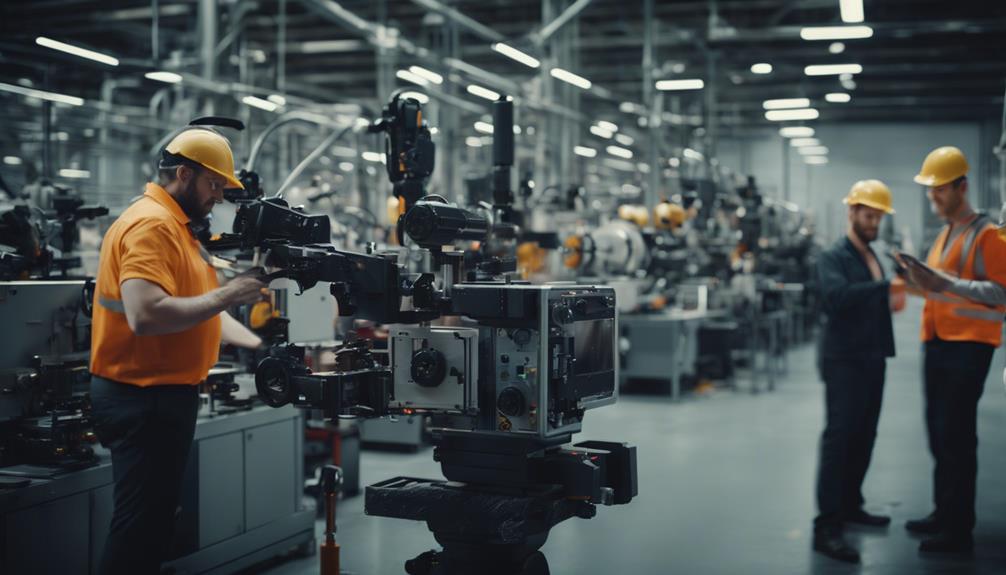
How to Increase Manufacturing Sales Using Video Marketing
To boost your manufacturing sales with video marketing, you should start by segmenting your audience and creating content that directly addresses their daily challenges and needs. Use videos to showcase the intricate details of your manufacturing process and the innovative features of your products. These visual stories build trust by highlighting your team's expertise and craftsmanship. Platforms like YouTube and LinkedIn are crucial for distributing your content and engaging with potential buyers. Integrate these videos into your emails and website to enhance user engagement. You'll find that more detailed insights on specific strategies will equip you well for future success.
Understanding Video Marketing Impact
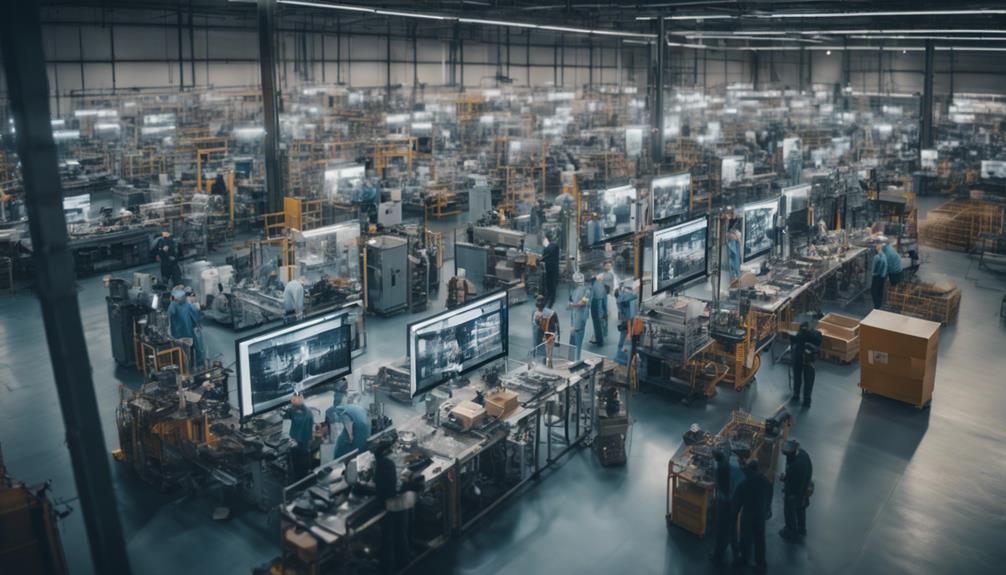
Video marketing consistently boosts engagement and retention rates, making it a vital tool for increasing manufacturing sales. You're part of a community that thrives on innovation and connectivity, and incorporating video into your strategy isn't just smart; it's essential for staying relevant and connected with your community.
Videos enable you to demonstrate complex machinery or processes in a way that manuals or static images can't match. You'll find that showing your product in action not only educates but also builds a deeper sense of trust and reliability among your peers.
Imagine harnessing the power of storytelling to showcase your manufacturing prowess. Through video, you can highlight testimonials, case studies, and behind-the-scenes processes that make your brand unique. This approach doesn't just sell a product; it invites your audience into your brand's world, creating a sense of belonging and partnership.
You're not merely reaching out to potential buyers; you're engaging a like-minded community eager to see innovation and efficiency in action.
Embrace video marketing to let your audience see, feel, and understand the impact of your work. It's about making them a part of your journey, enhancing both visibility and connectivity. This is how you turn viewers into advocates and customers into community members.
Identifying Target Audience
Before creating your marketing videos, it's vital to identify who'll be watching them. You're not just broadcasting into the void; you're speaking directly to potential buyers, engineers, or decision-makers who can benefit from your manufacturing solutions. Understanding who they are, what challenges they face, and how they prefer to receive information will make your videos resonate more deeply.
Start by segmenting your audience based on their roles in the industry—whether they're on the floor handling the machinery or behind desks planning the logistics. Think about their daily tasks, the pressures they face, and how your product eases their workload. Each group has unique needs and speaks a different industry language.
Remember, you're aiming to create a sense of community and belonging with your videos. Your audience should see themselves in your content, nodding along because they feel understood and valued.
This isn't just about showing off your latest product; it's about forming a connection that says, "We're in this together, and we understand exactly what you need."
Crafting Compelling Stories
Often, the most effective way to engage your audience is by telling a story they can see themselves in. When you create your video content, imagine you're not just selling a product, but you're inviting your viewers into a community. It's about making them feel they're a crucial part of something bigger.
Start with characters that resonate with your target audience. Think about their challenges and aspirations. What drives them? How does your product fit into their journey towards solving a problem or achieving a goal? This approach not only captures attention but also builds an emotional connection, making your brand memorable.
Use relatable scenarios that mirror the everyday experiences of your audience. This could be a professional overcoming obstacles in their industry, or perhaps someone finding a smarter way to work thanks to your product. The key is authenticity; let your characters speak like your customers would, experiencing real issues and celebrating genuine victories.
Showcasing Production Processes
Taking viewers behind the scenes to showcase your manufacturing processes can significantly boost their confidence in your products. When you open up your factory doors through video, you're not just showing how your products are made; you're inviting your audience into your world. This gesture fosters a sense of inclusion and transparency, making them feel like part of your brand's family.
You can start by highlighting the dedication of your team. Show the craftsmanship, the attention to detail, and the innovation that goes into each step of production. Let your audience meet the faces behind their favorite products—introduce them to engineers, technicians, and assembly workers who pour their passion into their work. This human element connects emotionally, building trust and appreciation.
Incorporate real-time footage of your machinery and technology at work. This not only demonstrates your capability and efficiency but also appeals to those who geek out on tech. Explain the processes in a way that's easy to understand and engaging, avoiding too much technical jargon.
Highlighting Product Features
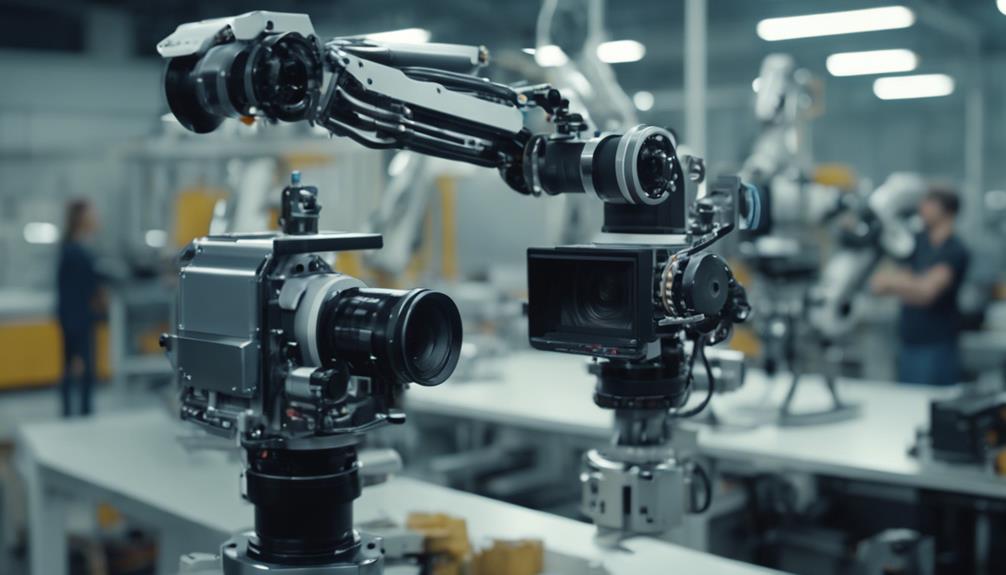
After exploring the inner workings of production, let's focus on what sets your products apart from the competition. You've seen how they're made, now it's time to shine a light on the unique features that make your offerings essential.
Think of your product videos as a personal tour for your viewers. Highlight each feature as if you're pointing it out to a friend. Use close-ups and 360-degree views to showcase the fine details and craftsmanship that go into each item.
It's not just about showing the product; it's about letting your audience see themselves using it, experiencing its benefits firsthand.
Emphasize the innovative aspects of your products that solve common problems. Whether it's a new, eco-friendly material or a design that improves efficiency, make sure these elements are front and center.
You're not just selling a product; you're inviting your audience to join a community of forward-thinkers and problem-solvers.
Lastly, remember to keep your tone warm and inviting. Encourage viewer interaction by asking questions and suggesting they imagine how your product could fit into their daily lives.
It's all about making them feel they're part of something special.
Customer Testimonials Videos
While showcasing product features is essential, hearing directly from satisfied customers can significantly boost your credibility. Imagine being part of a community where trust is built on real-world results and shared experiences. That's exactly what customer testimonial videos offer.
They don't just tell potential clients about what you do; they show how your products are impacting lives and businesses for the better.
You're not alone in your journey to elevate your manufacturing sales. Through testimonial videos, your prospects see and hear from peers who've faced similar challenges and overcame them with your help. This creates a sense of belonging and assurance that they, too, can achieve similar success.
It's like having a trusted neighbor point out the best tools in the shed.
Educational Content Creation

Building on the authenticity that customer testimonials provide, educational content creation serves as another powerful tool in your video marketing strategy. By demystifying your manufacturing processes and product details, you're inviting your audience into your world. You're not just selling a product; you're sharing knowledge and building a community around your brand.
When you create educational videos, think about what aspects of your product or process might intrigue or benefit your customer. Is it the innovative technology behind your manufacturing? Or perhaps the meticulous care that ensures the quality of each product? Whatever it is, highlight it. Show your audience that you're experts in your field and that you're eager to make their lives easier or better.
Strategies for Video Distribution
Creating an engaging video is only half the battle; effective distribution is key to ensuring your content reaches the right audience. You're not just sharing a video; you're inviting others into the unique world of your manufacturing processes and innovations.
Embrace platforms where your potential clients are most active. LinkedIn, known for its professional network, is a goldmine for B2B interactions. Don't just post your video; engage actively with comments and shares to foster a community around your brand.
YouTube offers extensive reach and search engine advantages. Optimize your video title, description, and tags to enhance visibility and drive more targeted traffic to your content. Remember, it's about creating connections, not just views.
Integration of video in email campaigns can significantly increase open rates. Imagine your video as a personal invitation to a select group of professionals who've already shown interest in your field. It's like saying, "You're part of this too."
Lastly, don't overlook the power of your own website. Embedding videos directly on your site can keep visitors longer and deepen their engagement with your brand, making them feel right at home with your products and services.
Analyzing Viewer Engagement

Once your video is out in the world, it's crucial to monitor how viewers interact with it. You're not just broadcasting; you're inviting your audience into a conversation about your manufacturing solutions. Paying attention to how they engage will tell you a lot about what works and what doesn't.
Start by looking at the basic metrics such as view counts, likes, and shares. These numbers are your first indicators of how well your content is resonating with your community. But don't stop there. Dive deeper into more telling stats like watch time and viewer retention rates. These insights reveal how much of your video your audience watches before they drop off and can indicate which parts hold their interest the most.
Comments and feedback are equally important. They give you direct insight into your viewers' thoughts and needs. Are they asking questions about your products? Perhaps they're suggesting improvements or praising certain features? This feedback is invaluable as it helps you to feel connected to your audience and guides your future content.
Leveraging SEO With Videos
To effectively boost your video's visibility online, it's essential to integrate search engine optimization (SEO) strategies. By optimizing your videos, you're not just sharing content; you're becoming part of a larger community that values visibility and connectivity.
Start by researching keywords that resonate with your target audience in the manufacturing sector. Include these keywords in your video's title, description, and tags. This step helps your videos rank higher in search results, making it easier for potential customers to find you.
Don't overlook the power of a compelling thumbnail and an engaging meta description. These elements can significantly influence click-through rates. Remember, your thumbnail is the first impression viewers have of your video – make it count.
Additionally, encourage viewer interaction. Comments, likes, and shares from viewers boost your video's engagement metrics, which are favorable signals to search engines. This interaction fosters a sense of community and belonging among your viewers, making them feel like part of your brand's journey.
Lastly, integrate your videos into your website and blog posts. This not only enhances user experience but also keeps visitors on your site longer, which can positively impact your site's SEO ranking. You're not just selling a product; you're inviting your audience into your world.
Frequently Asked Questions
What Is the Average Cost of Producing a Marketing Video?
You'll find that the average cost to produce a marketing video varies widely, typically ranging from $1,000 to $10,000. It depends on factors like video length, quality, and the production team's expertise.
How Long Should Our Marketing Videos Be?
For maximum impact, your marketing videos should be brief. Aim for 2-3 minutes to keep your audience engaged without overwhelming them. It's the perfect length to convey your message and hold their interest.
Can Video Marketing Replace Traditional Sales Teams?
Video marketing can't fully replace traditional sales teams, but it'll enhance your reach and efficiency. You'll connect with more customers and strengthen those relationships, making your team's efforts even more impactful.
What Legal Considerations Apply to Video Marketing?
You'll need to consider copyright laws, privacy issues, and advertising regulations when creating marketing videos. Ensure all content is legally compliant to avoid any legal repercussions that could impact your business negatively.
How Do We Handle Negative Feedback in Video Comments?
You'll want to address negative feedback in video comments promptly and politely. Acknowledge the issue, offer solutions, and invite further discussion privately. This shows you value viewer input and are committed to improvement.
Conclusion
Now that you're equipped with the know-how of leveraging video marketing to boost your manufacturing sales, it's time to act. Craft compelling stories and showcase your products' best features through engaging videos. Don't forget to analyze viewer engagement and optimize for SEO to reach your target audience effectively. Start distributing your videos across various platforms today and watch your sales figures soar. Remember, the right video can turn viewers into customers.
Related articles: Boost Manufacturing Sales: Quiz on Video Marketing Strategies · Unlocking Manufacturing Sales: Surprising Power of Video Content · How Influencer Partnerships Elevate Manufacturing Brands