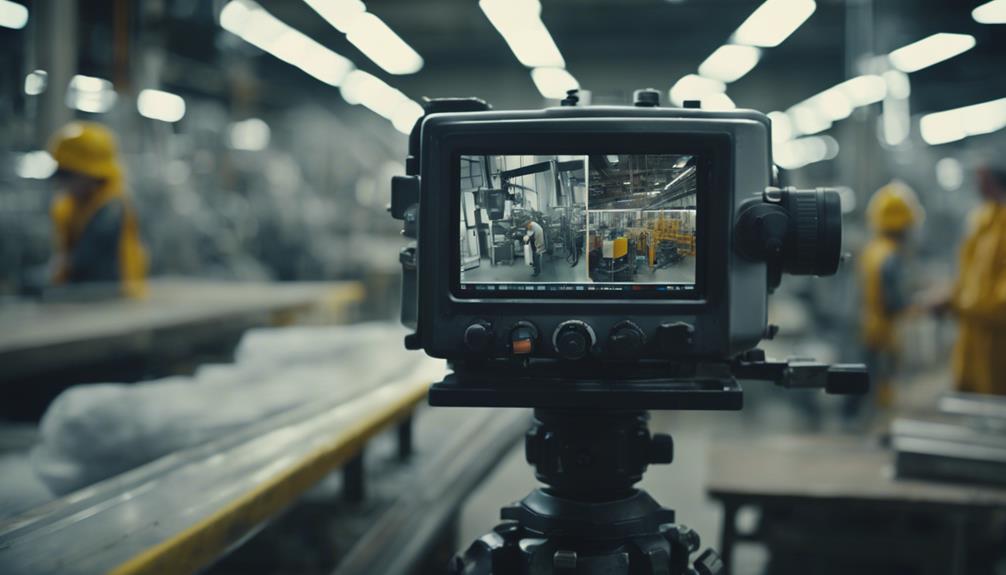
3 Key Tips for Showcasing Manufacturing Processes on Video
To effectively showcase your manufacturing processes on video, start by planning your content wisely. Highlight key processes and craft a story that emphasizes your company's strengths and dedication. When capturing footage, you'll want top-quality shots—use proper lighting to enhance textures and dynamic angles to underscore the scale and intricacy of your operations. Aim for close-ups that reveal craftsmanship and skill. Lastly, during the editing phase, keep your videos tight and engaging, guiding the audience seamlessly and using thoughtful transitions to emphasize the logical flow of production. Properly executed, these steps will not only display your capabilities but also strengthen your viewers' connection with your brand. Keep exploring these tips, and you'll uncover even more ways to captivate your audience.
Planning Your Video Content

When planning your video content, you first need to identify the key manufacturing processes you want to highlight. Think about what makes your production unique. Is it the precision of your machines, the skill of your workforce, or perhaps the innovative methods you employ? Pinpointing these elements not only showcases your company's strengths but also makes your audience feel connected to the craftsmanship and dedication behind your products.
Next, consider the narrative flow of your video. How will the story unfold? You'll want to map out each step, ensuring there's a logical progression that's easy to follow.
This isn't just about showing the nuts and bolts; it's about weaving a tale that resonates with your viewers, making them feel part of a larger community that values quality and innovation.
Don't forget to think about the diverse aspects of your audience. What're their interests? How can you address them directly and make them feel they're a crucial part of your world?
Capturing High-Quality Footage
After planning your video content meticulously, the next step is capturing high-quality footage that reflects the excellence of your manufacturing processes. You're not just filming – you're inviting viewers into your world, showing them a community that prides itself on quality and precision.
First, consider your lighting. Proper lighting doesn't just illuminate your subject; it enhances the texture and depth of your machinery and the skill of your team. Aim for consistency in your lighting to ensure that every frame feels like part of a cohesive story.
Next, choose the right angles. Dynamic shots that include wide angles can help convey the scale and intricacy of your operations.
Close-ups, on the other hand, allow you to highlight the craftsmanship and detail that set your products apart. Remember, each shot is an opportunity to strengthen the bond with your audience by focusing on elements that showcase your team's expertise and dedication.
Effective Video Editing Techniques

Once you've captured your footage, effective video editing techniques can transform it into a compelling narrative. It's all about weaving that raw footage into a story that feels like it's yours and yours alone, yet speaks to everyone who watches.
Start by trimming the excess. Keep only the most impactful shots that truly showcase the intricacies of your manufacturing process. This isn't just about cutting out the bad parts; it's about highlighting what makes your production unique and sharing that pride with your audience.
Next, think about the flow. Your edits should guide viewers through the process as if they're right there with you on the factory floor. Use transitions wisely to maintain a smooth and logical progression, ensuring the story builds naturally from start to finish.
Don't underestimate the power of the right music and sound effects. These elements can deeply influence how the audience feels about the imagery. Choose sounds that enhance the on-screen action without overpowering it.
Frequently Asked Questions
What Are Cost-Effective Ways to Light Manufacturing Scenes?
You can use natural lighting whenever possible to save money. LED lights are also cost-effective and provide excellent illumination. Renting equipment rather than buying can further reduce your costs while maintaining quality.
How Often Should Safety Gear Be Visible in Videos?
You should always show safety gear in your videos to highlight its importance. It reassures viewers that you prioritize worker safety and adhere to regulations, fostering a sense of responsibility and trust.
Are There Benefits to Using Drones in Manufacturing Videos?
Yes, using drones in your videos can offer sweeping, dynamic shots that showcase the scale and intricacy of your operations, making your viewers feel right in the middle of the action.
What Is the Best Video Length for Social Media Sharing?
For social media sharing, you'll want to keep your videos short and engaging. Aim for 30 seconds to 2 minutes. This length keeps viewers interested and increases the likelihood they'll watch and share.
How Can We Feature Employees Without Violating Privacy Concerns?
You'll want to get written consent from employees featured in videos to ensure their privacy is protected. Highlight their roles and contributions, making them feel valued while respecting their personal boundaries.
Conclusion
You've nailed your planning, captured stunning footage, and honed your editing skills. Now, it's your turn to shine. Use these videos to tell your manufacturing story, highlighting your precision and innovation. Remember, each frame should reinforce your brand's strength and quality. Don't just show the process; make viewers feel part of it. With these tips, you're not just making videos; you're crafting experiences. So go ahead, captivate your audience and watch your market presence grow.
Related articles: 7 Best Video Marketing Strategies for Industrial Manufacturers · Why Should Manufacturers Invest in Video Marketing? · What Drives Success in Industrial Manufacturer Video Marketing?