
Why Prioritize Top UX Practices on Manufacturing Sites?
Prioritizing top UX practices on your manufacturing site ensures that users easily find what they're looking for, whether it's on a mobile device or desktop, increasing user satisfaction and conversion rates. Streamlined navigation and responsive design make your website accessible and engaging to all visitors, enhancing the overall user experience. Clear CTAs and high-quality images not only guide users effectively but also boost engagement and build trust. Optimizing page load speeds and keeping content fresh encourage repeat visits and increase your site's credibility. By focusing on these practices, you're likely to see improved performance metrics. Explore further, and you might uncover even more benefits for your site.
Importance of Responsive Design

In today's digital landscape, having a responsive design for your manufacturing site is crucial. You're not just creating a website; you're building a community where every visitor, regardless of their device, feels welcomed and valued.
Imagine a potential client visiting your site from a smartphone and finding it just as accessible and engaging as if they were on a desktop. That's the inclusive experience responsive design offers.
Responsive design ensures that your site adjusts seamlessly to any screen size. It's about offering an optimal experience where text, images, and functionalities adapt effortlessly.
This adaptability means that no one's left out. Whether it's a vendor using a tablet in a warehouse or an engineer checking details on a mobile phone at a site, everyone gets the same level of access and efficiency.
Streamlining Navigation
Streamlining navigation on your manufacturing site makes it easier for users to find what they need quickly and efficiently. When you clear the path, you're not just improving user experience; you're inviting your visitors to become part of a community that values their time and needs.
Think of your website's navigation as a roadmap. It should clearly guide users to their desired destination without any detours or confusion. Simplify the menu by categorizing related items under intuitive headings. This isn't just about aesthetics; it's about creating a sense of ease and accessibility that makes visitors feel welcomed and understood.
Include a search bar prominently at the top of each page. This small addition can significantly reduce frustration and help users feel empowered, knowing they can easily search for specific items or information without sifting through irrelevant content.
Lastly, consider the language of your navigation. Use terms that resonate with your audience, avoiding jargon that might alienate newcomers. Every element of your site should reinforce the message that you're there to support and engage with them, making every interaction on your site a positive, inclusive experience.
Enhancing Mobile User Experience
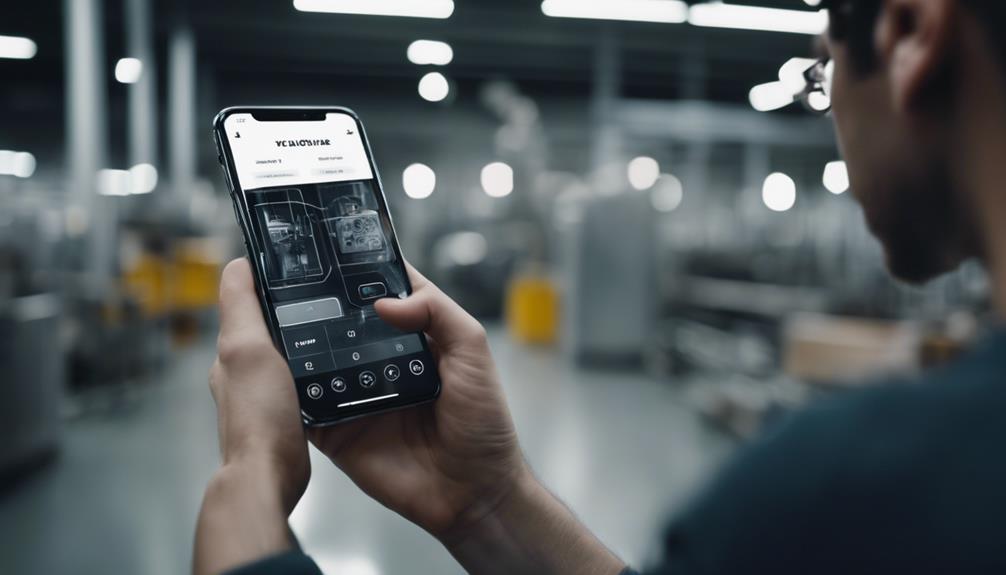
Mobile users expect quick, responsive interactions when browsing manufacturing sites. You know the frustration of waiting for pages to load or navigating through cluttered interfaces. It's vital that your experience feels smooth and effortless, like you're part of a community that values your time and convenience.
Optimizing for mobile isn't just about speed; it's about creating an environment where you feel welcome and understood. Responsive design ensures that no matter your device, the content adjusts perfectly, making you feel catered to. Imagine sliders that fit just right on your screen and text sizes that are easy on the eyes—this attention to detail makes you feel considered and respected.
Additionally, touch-friendly interfaces enhance your interaction, making you feel more connected to the site. Buttons and links large enough to tap without zooming in means less struggle and more satisfaction. It's about creating a seamless transition from desktop to mobile, ensuring you don't miss out on any information or functionality.
Personalized content, too, plays a crucial role. When the site remembers your preferences and adjusts accordingly, it's like being greeted by name in a community where everyone knows you. This personal touch transforms your mobile experience from mundane to meaningful.
Implementing Clear CTAs
While enhancing the mobile user experience is fundamental, equally important is the implementation of clear CTAs (Call to Action). You're not just building a website; you're creating a pathway for visitors to become part of your community. Each CTA on your manufacturing site should resonate with your audience, inviting them to join in a shared journey, whether it's subscribing to a newsletter, requesting a quote, or scheduling a consultation.
Imagine each CTA as a hand extended in welcome, guiding users through your digital landscape. It's crucial that these calls to action aren't only visible but also compelling. Use language that speaks directly to your users' needs and desires. Phrases like "Join our community," or "Let's build something great together," forge a connection, making users feel they're becoming part of something larger than themselves.
Moreover, placement is key. Position your CTAs in spots where users naturally pause, ensuring they're never lost in the shuffle of information.
The design should stand out—think contrasting colors and bold text—yet remain harmonious with the overall aesthetic of your site.
Utilizing High-Quality Images

As you incorporate high-quality images into your manufacturing site, you're not just enhancing aesthetics; you're also boosting user engagement and trust. Visuals resonate deeply, allowing your customers to see themselves using your products, feeling a sense of belonging and assurance. It's about creating a visual narrative that speaks directly to them, making them feel part of your brand's journey.
High-resolution images communicate professionalism and attention to detail, factors that customers subconsciously equate with reliability and quality. This visual trust is crucial, especially in manufacturing where the details matter.
When customers see crisp, clear images of your machinery or processes, they're more likely to believe in the precision of your work. It's as if they're right there with you on the factory floor, witnessing the care you take in every step.
Moreover, using diverse and inclusive imagery further extends this sense of belonging. When people see others like themselves reflected in your website, their connection to your brand strengthens. They're not just observers; they become part of a community that values and understands their needs. This isn't just good UX—it's good business, fostering a loyal customer base that feels seen and valued.
Optimizing Page Load Speeds
Shifting focus to optimizing page load speeds, you'll notice immediate improvements in user experience and site performance. When your site responds swiftly, you're telling your visitors, "We value your time." It's like opening the door with a smile, inviting them into your manufacturing world efficiently and effectively.
Imagine you're part of a community that appreciates quick access to information. By enhancing your site's load time, you're fostering a sense of belonging among users who need quick solutions and smooth browsing experiences.
It's crucial, especially when dealing with detailed product specifications and complex manufacturing processes. You wouldn't want potential partners or customers to feel left out because they're stuck waiting, would you?
To start, compress images and streamline code. This doesn't mean sacrificing quality; it means optimizing assets to serve your community better. Utilize caching to reduce load times for repeat visitors, making them feel like regulars at your digital storefront.
Showcasing Customer Testimonials
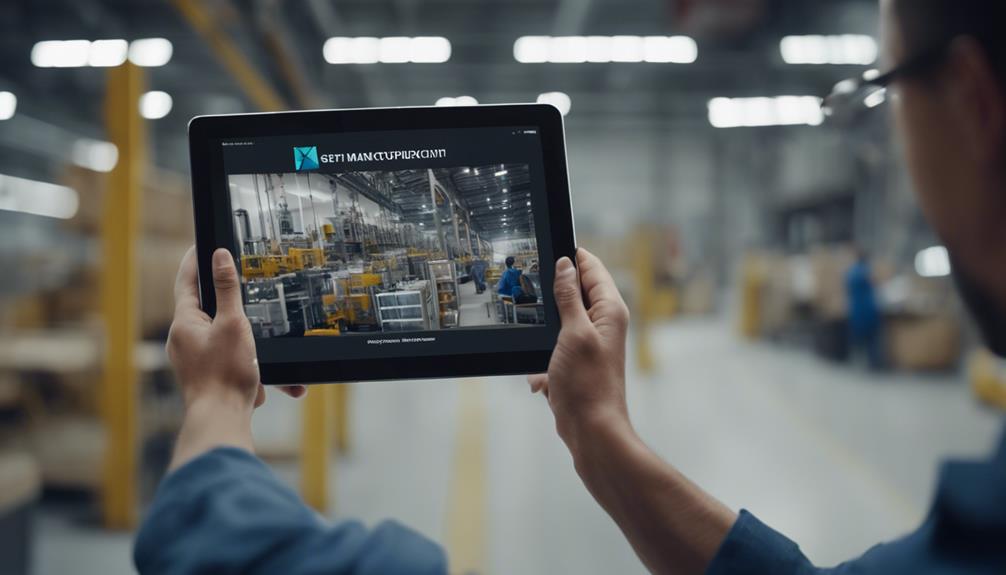
Customer testimonials are a powerful tool on your manufacturing site, directly showcasing the satisfaction and trust your clients have in your products. When you highlight these positive experiences, you're not just showing off good reviews; you're building a community.
It's about letting potential customers know they're not alone in their decision-making. They're joining a group of satisfied buyers who've already benefited from what you offer.
Including these testimonials prominently gives your site a personal touch. It's like having a conversation where past customers vouch for you, telling newcomers, "Yes, they're reliable; yes, their products work!"
This isn't just beneficial for your reputation; it makes visitors feel welcomed and part of something larger.
Regularly Updating Content
While showcasing customer testimonials builds trust, regularly updating content keeps your manufacturing site relevant and engaging. You're not just selling a product; you're inviting your visitors into a dynamic experience that grows and evolves. It's about creating a space where they feel part of something fresh and essential.
Think of your website as a living entity, thriving with the latest industry news, technological advancements, and innovative projects. This isn't just keeping up; it's leading the way.
Updating your content regularly isn't merely a task—it's an opportunity. It's your chance to show you're on top of trends, that you understand your industry's pulse, and you're ready to meet changing needs with agility. Each update sends a message that you're committed, active, and focused on providing value.
It's also a perfect moment to re-engage with visitors who might think they've seen everything you have to offer.
Frequently Asked Questions
How Does UX Design Impact Manufacturing Process Efficiency?
You'll find that effective UX design streamlines your manufacturing processes, reducing errors and enhancing productivity. It ensures that interfaces are intuitive, helping you and your team focus on what truly matters.
Can Improved UX Reduce Training Time for New Manufacturing Staff?
You'll find that improved UX can significantly cut down on training time for new staff by making processes intuitive and easy to understand, helping them feel more at home and integrated from the start.
Does UX Influence Error Rates on Manufacturing Control Systems?
Yes, UX significantly affects error rates in manufacturing control systems. Improving UX reduces errors by making interfaces more intuitive, ensuring you're part of a safer, more efficient team. It's all about streamlining processes.
How Can UX Design Facilitate Regulatory Compliance in Manufacturing?
To ensure you're meeting standards, good UX design simplifies complex processes. It'll guide you through regulatory requirements, reducing risks of non-compliance by making necessary procedures clear and easy to follow in your manufacturing environment.
What Role Does UX Play in Manufacturing Safety Protocols?
UX design ensures you're safely following protocols by making instructions clear and interfaces intuitive. It reduces errors and streamlines processes, so you can focus on your work without worrying about safety breaches.
Conclusion
You've seen how vital top UX practices are for your manufacturing site. By embracing responsive design, streamlining navigation, and enhancing mobile experiences, you'll keep users engaged. Don't forget to implement clear CTAs, use high-quality images, optimize page speeds, showcase customer testimonials, and keep your content fresh. These steps aren't just improvements; they're essential for staying competitive. Start applying these practices today and watch how they transform your site's effectiveness and user satisfaction.
Related articles: Optimize Industrial Site Load Times: A How-To Guide · 10 Best Strategies to Optimize Industrial Site Load Times · Optimize Load Times: Tips for Industrial Site UX