
Why Does Audience Segmentation Enhance SEO Product Targeting?
Audience segmentation enhances your SEO product targeting by allowing you to create content that directly addresses the unique preferences and needs of different groups. By dividing your market into identifiable segments, you can develop tailored strategies that resonate more deeply with each group, increasing engagement and improving search relevance. This boosts your content's likelihood of being shared and enhances keyword relevance, making your offerings more visible and attractive on search engines. It not only builds a sense of community around your brand but also fosters loyalty and trust. You'll see how this strategic approach can yield significant dividends in organic search visibility and conversion rates.
Defining Audience Segmentation

Audience segmentation essentially involves dividing your market into approachable groups. You're not just looking at broad swaths of consumers; you're identifying specific clusters of people who share distinct characteristics, behaviors, or needs. This method allows you to tailor your marketing strategies and connect more deeply with each segment, ensuring that you're speaking directly to their unique desires and concerns.
Think of it like finding your crowd at a large concert. You wouldn't shout to everyone in hopes the right person hears you; instead, you'd seek out your group and converse directly.
That's what segmentation lets you do: pinpoint where you belong in the market and focus your efforts there.
Benefits of Segmentation in SEO
Segmenting your audience can significantly boost your SEO efforts by allowing you to create more targeted and relevant content. When you understand the specific needs and preferences of different groups, you're not just throwing content into the void—you're speaking directly to someone. This personalized approach not only increases the likelihood that your content will resonate but also that it'll be shared within their own communities, amplifying your reach.
By focusing your SEO strategies on well-defined segments, you're also better equipped to choose keywords that are truly relevant to each group. This isn't just about ranking higher in search engines; it's about being there when it matters, in the moments your specific audience is seeking solutions that you offer. You'll see a higher click-through rate because your content speaks to them, addressing their specific situations and concerns.
Moreover, this strategic focus helps build a sense of community around your brand. People feel recognized and understood, which fosters loyalty and trust. They're not just visitors; they become part of a shared experience, connected by content that acknowledges their unique needs.
This isn't just good SEO; it's good relationship-building, which is fundamental in today's digital marketplace.
Identifying Key Audience Segments

How do you determine which segments of your audience are most crucial for your SEO efforts? It's all about understanding who really benefits from your products and who's most likely to engage with your brand. Start by identifying common characteristics and needs among your current customers. Are they mostly young professionals seeking convenience, or perhaps parents looking for family-friendly products?
Once you've pinpointed these traits, think about their search behaviors. What're they likely to type into Google? This insight is key to refining your SEO strategies and making your brand feel like a community that understands them.
You're not just targeting keywords; you're speaking directly to the needs of a group that shares common values and experiences.
Tools for Effective Segmentation
Delve into the world of audience segmentation with the right tools that streamline this essential process. When you're equipped with top-notch tech, you're not just working smarter; you're also fostering a community where every member feels seen and understood. Let's explore some of the most effective tools that help you pinpoint and connect with your ideal audience segments.
First up, analytics platforms like Google Analytics and Adobe Analytics are indispensable. They allow you to dive deep into user behavior, showing you who's visiting your site, how they interact, and what drives their decisions. This data is gold—you'll understand not just the 'who', but the 'why' behind your audience segments.
Then, there are CRM systems such as Salesforce and HubSpot. These aren't just for tracking sales; they're powerful for segmenting your audience based on interactions, purchase history, and engagement levels. By integrating these insights, you tailor your approach to meet specific needs and preferences, making each user feel like part of your brand's community.
Lastly, consider survey tools like SurveyMonkey or Google Forms. They provide direct feedback from your audience, offering that personal touch and deep insight into their desires and expectations. You're not just reaching out; you're inviting them in, strengthening that sense of belonging.
Integrating Keywords With Segments
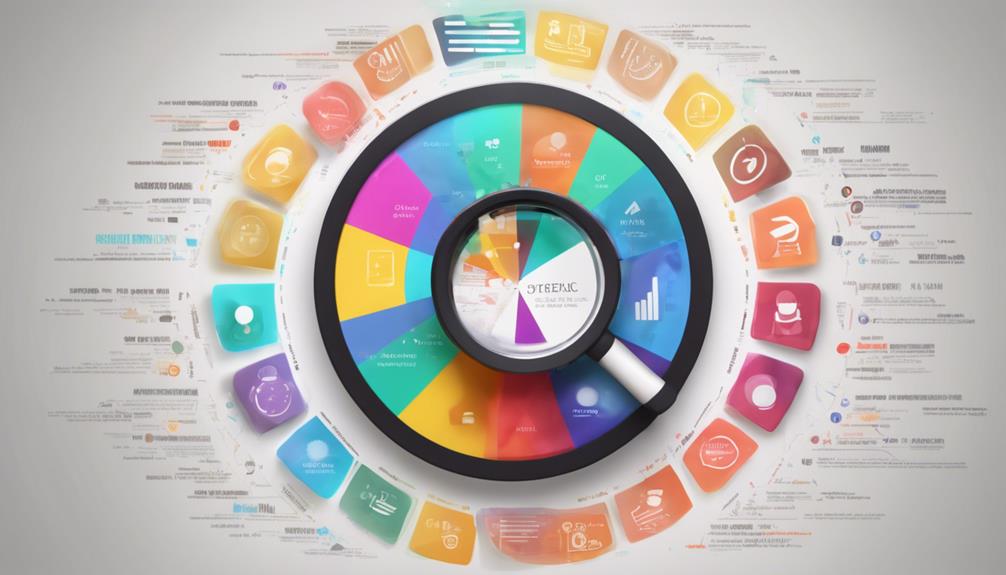
After exploring the tools that help you identify and understand your audience segments, it's time to focus on how to effectively integrate keywords into these segments. You're not just targeting a market; you're speaking directly to a community that shares specific interests and needs. By weaving keywords that resonate with each segment, you're creating a connection that feels both personal and relevant.
Think of keywords as the secret handshake or the insider language that only members of each segment will fully appreciate and respond to.
For example, if you've identified a segment that's enthusiastic about eco-friendly products, integrating keywords like "sustainable," "biodegradable," or "eco-conscious" into your SEO strategy makes your content much more appealing to them. It's about acknowledging their values and demonstrating that you're part of their tribe.
Moreover, this strategic alignment of keywords with audience segments doesn't just improve your search engine rankings; it builds trust. When your target audience sees that you speak their language, they're more likely to believe that your products and services are tailored specifically to them.
This isn't just marketing—it's about forming lasting relationships based on shared understanding and mutual respect.
Customizing Content for Each Segment
Customizing your content for each audience segment boosts the relevance and engagement of your marketing efforts. When you truly understand the unique needs and preferences of each group, you're not just sending out generic messages; you're speaking directly to them, in a language they resonate with. This personalized approach makes your audience feel valued and understood, fostering a sense of belonging and community.
Think about it: when you tailor your content, you're essentially telling your audience, "I see you. I know what you need, and I'm here to provide it." This isn't just powerful for building trust; it's also crucial for driving conversions.
Analyzing Segment-Specific Metrics

To effectively gauge the impact of your customized content, you'll need to analyze segment-specific metrics. This isn't just about checking if you've hit your marks; it's about understanding how your unique audiences are truly interacting with what you've crafted specially for them. You're not just looking at clicks and views; you're diving deeper into behaviors that signal real engagement and affinity.
Start by tracking how different segments respond to your SEO-optimized content. Are certain articles or products resonating more with one group over another? This insight is crucial. It tells you where you're not just a brand, but a part of their community, their go-to resource. Adjust your strategies based on these findings to strengthen that bond.
Metrics like time spent on page and interaction rates can be especially telling. A higher dwell time might indicate that your content is especially meaningful, or that it perfectly fits the needs and interests of that segment.
On the other hand, high bounce rates might suggest a mismatch in expectations or relevance, signaling a need for adjustment in your approach.
Enhancing User Experience Through Segmentation
Segmenting your audience lets you tailor the user experience on your website, ensuring that each visitor finds content that resonates deeply with their specific interests and needs. By doing this, you're not just showing them that they matter; you're creating a space where they feel understood and valued.
Imagine logging onto a site and finding exactly what you need, almost as if it's been curated just for you. That's the power of effective segmentation.
When you cater to different audience segments, you're essentially saying, "We see you, and we're here for you." Whether it's by age, location, or interest, acknowledging their unique preferences enhances their connection to your brand. They're more likely to engage, stay longer, and even return, knowing they'll find what they're looking for.
This personalized approach doesn't just improve satisfaction; it boosts your site's relevance, which in turn aids SEO efforts.
Case Studies: Successful Segment Strategies

Exploring successful case studies can illustrate the tangible benefits of audience segmentation in real-world scenarios. Let's look at how well-known brands have tailored their SEO strategies to connect with their specific audiences, making each member feel seen and understood.
Take, for example, a leading sports apparel company that segmented its audience based on activity level and sport preference. By creating content that resonated with each group—whether they were weekend joggers or professional athletes—they significantly increased their organic search visibility and doubled their conversion rates. You're not just a number to them; you're part of a community that shares your passion.
Another case involved a beauty brand that segmented its audience by skin concerns and beauty aspirations. Through personalized blog posts and targeted tutorials, they not only boosted their SEO rankings but also fostered a strong sense of belonging among users. Each visitor found content that spoke directly to their needs, making them feel valued and understood.
These examples show that when you're part of a brand's community, tailored content leads to better search engine visibility and a deeper connection with the product. You're not just buying a product; you're finding your spot in a community that gets you.
Future Trends in Audience Segmentation
As we look toward the future, it's clear that audience segmentation will become even more sophisticated and integral to successful SEO strategies. You'll find yourself at the heart of a community where every member's preferences and behaviors are understood deeply, creating a sense of truly belonging to something tailored just for you.
Imagine algorithms that don't just predict what you want now but anticipate the needs you may have tomorrow. These advanced tools will leverage AI to analyze behavioral patterns more intricately, ensuring that you're not just another face in the crowd, but a valued member of a curated audience.
This evolution will bring about hyper-personalized content strategies where messages resonate more profoundly because they're based on predictive analytics. You won't see the same generic ads; instead, you'll encounter offers that feel handpicked just for you, enhancing your connection with brands that seem to 'get' you.
Moreover, the integration of voice search and IoT devices will refine these segments further, making interactions seamless and almost intuitive. You'll feel like your favorite brands are with you every step of the way, anticipating needs before you even articulate them, fostering a sense of allegiance and loyalty that's both comforting and empowering.
Frequently Asked Questions
How Does Audience Segmentation Impact PPC Advertising Effectiveness?
Audience segmentation lets you tailor your PPC ads to specific groups, enhancing their effectiveness. You'll connect better, resonate more, and see improved conversion rates because you're speaking directly to their needs and interests.
Can Segmentation Help in Reducing Marketing Costs?
Yes, segmentation can significantly reduce your marketing costs. By targeting specific groups, you're not wasting money on those unlikely to convert, ensuring your budget is spent more efficiently on highly interested audiences.
What Are the Risks of Over-Segmenting Your Audience?
Over-segmenting your audience can make you miss broader opportunities and increase marketing complexity. It's risky; you might disconnect and lose relevance with potential customers who don't perfectly fit into narrow segments you've created.
How Does Cultural Diversity Affect Audience Segmentation?
Cultural diversity affects how you segment your audience because it requires understanding varied cultural norms and values. You'll create more targeted, resonant content that speaks directly to the diverse needs and preferences of your audience.
Does Audience Segmentation Comply With Data Privacy Laws?
Audience segmentation can comply with data privacy laws if you're careful. You've got to ensure that personal data is handled respectfully and according to legal standards, protecting those you're aiming to connect with.
Conclusion
You've seen how audience segmentation can dramatically boost your SEO product targeting. By understanding and implementing this strategy, you're not just throwing darts in the dark; you're smartly aligning your content with the specific needs and behaviors of different segments. This tailored approach not only improves your visibility but also enhances user experience, increasing the likelihood of conversion. Keep leveraging these insights, and you'll stay ahead in the ever-evolving game of SEO.
Related articles: Top Strategies for Targeted Product Marketing Online · Top SEO Strategies for Effective Product Targeting · What Forbidden Tactics Skyrocket Product Targeting Success?