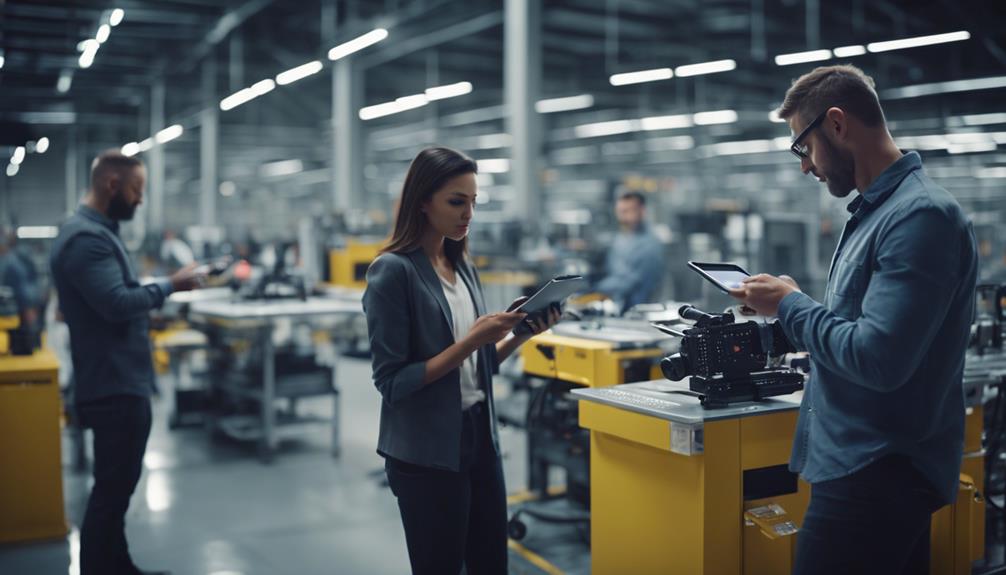
Maximizing ROI With Influencer Marketing in Manufacturing
To maximize your ROI with influencer marketing in manufacturing, start by identifying influencers who align with your brand's values and possess a respected presence in the industry. You'll need to track tangible metrics like engagement rates and conversion rates to understand their impact. Focus on creating authentic content that resonates with your target audience and leverages the influencer's niche expertise. Building long-term partnerships rather than one-off campaigns can significantly enhance credibility and sustain audience engagement. Remember, each well-executed campaign not only boosts sales but also strengthens your brand's community. Explore further and discover how continuous collaboration with influencers can transform your brand's market position.
Understanding Influencer Marketing ROI

Understanding the return on investment (ROI) for influencer marketing in the manufacturing sector is crucial as you allocate your budget. It's about ensuring every dollar you spend helps foster a community that resonates with your brand. Here's how you can see real value from your investments.
Firstly, think about the impact beyond just immediate sales. Influencer marketing can significantly boost your brand awareness among communities that matter. You're not just buying visibility; you're building relationships. These connections can lead to increased loyalty and customer lifetime value, which are crucial for your long-term success.
Tracking ROI isn't just about counting likes or shares. You need to dive deeper. Look at engagement rates, website traffic from influencer links, and how these metrics translate into actual sales or leads. Tools like Google Analytics and social media analytics platforms can help you track these interactions effectively.
Identifying the Right Influencers
After establishing how to measure the ROI of influencer campaigns, the next step is identifying the right influencers who align with your manufacturing brand. You're not just looking for any influencer; you need someone who embodies your brand's values and can authentically communicate your message to the right audience.
Start by defining what your ideal influencer looks like. Think about the qualities that are non-negotiable — perhaps it's their credibility in the manufacturing sector or their passion for innovation.
It's also important to consider the size of their following. While larger audiences provide greater reach, niche influencers can often engage more deeply with their followers, which might be more beneficial for your specific goals.
Once you've outlined your criteria, use social media platforms and influencer databases to find personalities who fit your profile. Don't rush this process. Take your time to engage with potential influencers' content to see how they interact with their community. Are they respected and trusted? Do they engage in a way that fosters a sense of belonging and encourages active participation?
Finding the right influencer is like adding a new member to your team. You want someone who'll represent your brand as if it were their own and connect with your audience on a level that goes beyond just business transactions.
Crafting Effective Campaigns

Once you've identified the right influencers, it's crucial to craft campaigns that effectively leverage their unique capabilities and reach. You're not just hiring a spokesperson; you're joining forces with a partner who resonates deeply with your target community. Your campaign should feel like a natural extension of their everyday content, maintaining authenticity while seamlessly incorporating your brand's message.
Begin by involving influencers in the brainstorming process. This collaboration not only ensures the content feels genuine to their followers but also fosters a sense of belonging and investment in your campaign's success. Discuss your goals openly and let them bring their creative insights to the table. Remember, they know their audience best.
Next, focus on creating a narrative that aligns with both your brand's values and the influencer's persona. Whether it's a series of tutorial videos, live Q&A sessions, or behind-the-scenes tours of your manufacturing processes, the content should provide value and encourage engagement. This approach not only boosts the campaign's impact but also builds a community around your brand.
Leveraging Niche Expertise
In the realm of influencer marketing, choosing influencers with specialized knowledge in your manufacturing niche can dramatically elevate your brand's credibility and appeal. When you connect with an influencer who's steeped in the specifics of your industry, you're not just gaining a spokesperson; you're aligning with a trusted voice that your target audience already respects and listens to. This resonance is invaluable.
As you dive deeper into this strategy, think about how these experts can serve as bridges between you and your audience. They speak the language of the industry fluently, which means they can communicate the nuances of your products with a level of authority that general influencers can't match. Their endorsement serves as a powerful form of validation that you're a key player in the field, deeply embedded in the community.
Consider also the long-term relationships you're building, both with the influencers and their followers. You're not just looking for a quick sales boost; you're cultivating a community that feels connected to your brand through shared interests and mutual respect. This isn't just marketing; it's about creating a space where everyone feels they belong, driven by voices they trust.
Measuring Campaign Impact

As you implement influencer strategies that leverage niche expertise, it's important to assess the effectiveness of these campaigns on your manufacturing brand. You're not just launching a campaign; you're building a community around your products and values. It's crucial to see how these relationships are truly benefiting your brand.
Start by tracking engagement metrics like shares, comments, and likes. But remember, these numbers only tell part of the story. You'll want to dig deeper into how these engagements translate into actual brand loyalty and customer acquisition. Use tools that analyze the sentiment of the comments and the overall tone of the feedback. Are people excited about your products? Do they feel part of something bigger than themselves?
Additionally, look at website traffic sources. How much is being directed from the influencer's platforms? It's a clear indicator of interest generated.
More importantly, monitor the conversion rates from these visits. Are viewers just browsing, or are they making purchases?
Optimizing Cost-Effectiveness
To ensure your influencer marketing efforts are cost-effective, you'll need to scrutinize every dollar spent. It's essential to form partnerships with influencers who truly resonate with your brand values and connect authentically with your community. This alignment isn't just about saving money—it's about creating a sense of belonging and trust among your audience, which in turn, can amplify your results significantly.
Start by setting clear objectives for each campaign. What specific outcomes are you aiming for? Whether it's increasing engagement on social media or driving traffic to your website, having well-defined goals helps you measure the effectiveness of your investments and adjust your strategies accordingly.
Negotiate wisely. Remember, the most expensive option isn't always the best fit. Look for influencers who are up-and-coming or have a dedicated, niche following. They often offer more reasonable rates and can provide higher engagement rates due to their targeted audience.
Lastly, don't overlook the power of analyzing data. Regularly review the performance metrics of your campaigns. Are you seeing a return on your investment? By keeping tabs on these insights, you can continually refine your approach, ensuring each dollar you spend helps to strengthen your community and grow your brand.
Enhancing Brand Visibility

Boosting your brand's visibility is crucial in the crowded marketplace of manufacturing. As you navigate through competitive waters, remember that the community around your brand plays a pivotal role. When you increase your presence online, especially through influencer marketing, you're not just showing off your products; you're inviting potential customers into a circle of trust and reliability.
Leveraging influencers who are respected in manufacturing circles can give you an unprecedented edge. They're not just voices; they're beacons that people look towards for guidance and expertise. By aligning with these influencers, you're placing your brand in the spotlight in a way that resonates with the needs and values of your audience.
Think of influencer collaborations as a bridge. You're reaching out, connecting, and engaging with communities that you mightn't have tapped into otherwise. It's about creating a narrative that includes your brand as a key player in the manufacturing dialogue.
This isn't just about visibility; it's about being seen as a crucial part of a larger community. You're no longer another face in the crowd; you're a trusted member of a vibrant industry circle.
Building Long-Term Partnerships
While establishing visibility is the first step, building long-term partnerships with influencers in the manufacturing sector can transform your marketing efforts from a temporary boost to a sustainable advantage. By investing time in these relationships, you're not just gaining a spokesperson; you're aligning with partners who share your vision and can authentically communicate your brand's values and innovations to a broader audience.
You're part of a community now, one that values deep connections over one-off promotions. Think about it: when influencers genuinely believe in what you're creating, their enthusiasm is contagious. Their followers don't just see a product; they see a story they want to be part of. This isn't just about making sales—it's about creating a loyal following that believes in your brand's journey.
To nurture these relationships, keep communication open and consistent. Provide influencers with the tools they need to succeed, whether it's detailed information about your products or creative freedom to craft engaging content.
Remember, collaboration is key. Your willingness to listen and adapt based on their feedback not only strengthens your partnerships but also enhances your products and brand image.
In this community, you're not just building a brand; you're building a legacy.
Analyzing Market Trends

Understanding current market trends is crucial as you align your manufacturing strategies with the shifting demands of the industry. As you delve into the evolving landscape, it's vital to recognize how these changes can impact your approach to influencer marketing.
You're not alone in this journey. Many in your industry are navigating similar shifts, seeking to understand how global economic factors, emerging technologies, and consumer preferences converge to shape the market. It's a community effort to stay ahead, and sharing insights can significantly enhance your strategic decisions.
By keeping a pulse on these trends, you can better anticipate the needs of your customers and position your brand effectively. Think of it as joining a broader conversation, one where each participant offers unique perspectives that, when combined, create a comprehensive view of the future. This collective intelligence is what allows you to adapt and thrive.
Moreover, leveraging data from market research not only informs your choices but also empowers you to communicate authentically with your audience. This connection is key, as it elevates your brand from simply being a part of the industry to being a thought leader within it. Embrace this dynamic environment, and let it guide your influencer partnerships to new heights.
Case Studies in Manufacturing
Exploring case studies in manufacturing reveals how effectively leveraging influencer marketing can transform traditional industry practices. You've seen how the digital age has disrupted markets, but it's more profound when you witness companies like yours embracing modern tactics to enhance their reach and revenue.
Take the example of a mid-sized tool manufacturer who partnered with a well-known DIY influencer. By sharing authentic content about the durability and precision of their tools, they not only boosted their sales by 20% but also built a loyal community around their brand. You're part of this community too, sharing insights and learning from the success they've garnered.
Or consider the case of a specialty steel producer that targeted niche construction influencers. These collaborations enabled them to penetrate markets that seemed out of reach. As a result, their market share grew significantly, and their brand became synonymous with resilience and quality. Just like them, you're aiming for your products to become the go-to choice in tough environments.
These stories aren't just inspiring, they're a blueprint for you. They show that when you step out of the conventional path and engage with influencers who resonate with your audience, you're not just selling a product; you're inviting customers to be part of a story—a community where they truly belong.
Frequently Asked Questions
How Does Influencer Marketing Fit Into a Broader Marketing Strategy?
Influencer marketing complements your broader strategy by adding a personal touch. You're building trust and connection, leveraging influencers to engage and expand your audience, making your brand more relatable and accessible.
What Are the Legal Considerations in Influencer Partnerships?
You'll need to ensure all influencer partnerships comply with advertising laws. That means clear disclosures and honest endorsements. Always review contracts for intellectual property rights and confidentiality clauses to avoid any legal issues.
How to Handle Influencer Misconduct or Controversies?
When dealing with influencer misconduct or controversies, you should act swiftly to address the issue. Assess the situation, communicate transparently with your audience, and, if necessary, terminate the partnership to protect your brand's integrity.
Can Influencer Marketing Replace Traditional Advertising in Manufacturing?
Influencer marketing can't fully replace traditional advertising in manufacturing. It's complementary, enhancing your reach and authenticity. You'll connect more deeply with audiences, but still need traditional methods for comprehensive coverage and impact.
What Is the Role of Influencer Marketing in B2B Environments?
In B2B environments, you'll find influencer marketing shapes perceptions by leveraging credible voices within the industry. It's about building trust and authority, helping you connect authentically and deepen relationships with business clients.
Conclusion
You've seen how crucial influencer marketing can be in the manufacturing sector. By selecting the right influencers, crafting strategic campaigns, and measuring their impact, you're set to boost your ROI significantly. Don't forget to tap into niche expertise and keep an eye on market trends. Building long-term partnerships will enrich your brand's visibility and credibility. Dive into these strategies, leverage your learnings from relevant case studies, and watch your manufacturing brand soar to new heights.
Related articles: Why Does Influencer Marketing Pay Off in Manufacturing? · 7 Tips: Measuring Influencer Marketing ROI in Manufacturing · What Is the ROI of Influencer Marketing in Manufacturing?