Effective Video Strategies for Manufacturing Process Showcases
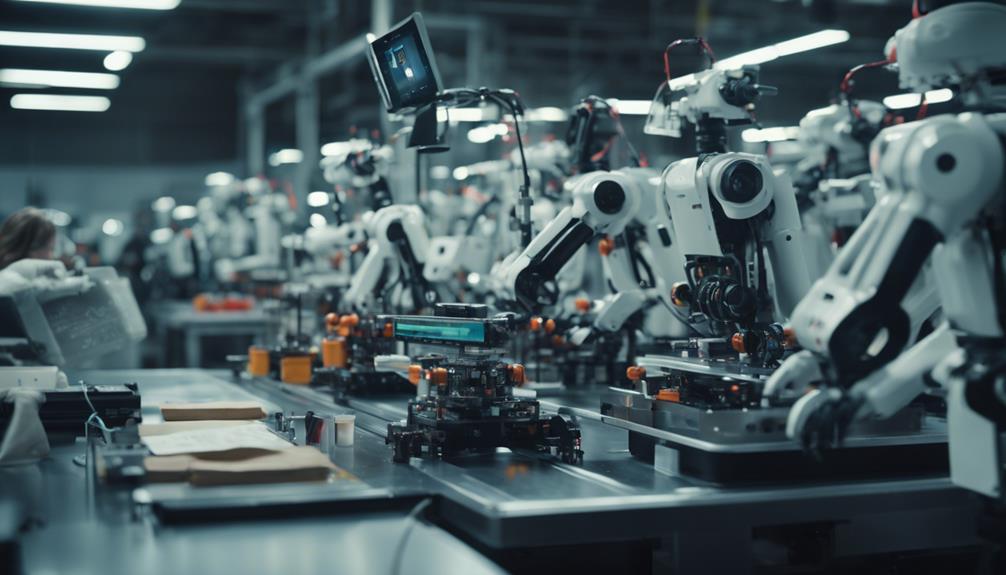
To effectively showcase your manufacturing process, you'll want to start by identifying your audience, whether they're potential clients, employees, or brand enthusiasts. Use high-resolution cameras and clear audio equipment to capture the intricate details of your craftsmanship and the precision of your team. Engage viewers by telling a compelling story about the journey from raw materials to finished products, including testimonials that build trust and authenticity. Make sure you're using optimal lighting and sound to enhance the visual and auditory experience. Engaging strategically on social media will also amplify your message. You'll find there's much to explore about tailoring your content to resonate more deeply with your viewers.
Identifying Your Audience
Before diving into the technicalities of creating a video to showcase your manufacturing processes, it's crucial to pinpoint exactly who'll be watching. You're crafting this video to connect, to make your audience feel part of something larger than themselves.
Think about who benefits most from understanding your processes. Is it potential clients who'll feel more aligned with your transparency? Maybe it's future employees who want to see themselves in your team's shoes, valuing a clear view into the place and people they might join.
Consider also the existing community around your brand. These are enthusiasts of your industry, folks who geek out over the specifics of how things are made.
They're looking for more than just a superficial overview; they want the context that threads them more closely with your corporate narrative. These viewers are looking for a sense of inclusion, a glimpse that says, "You belong here with us, in the know."
Highlighting Key Processes
Now that you understand who your audience is, let's focus on the key processes that truly define the excellence of your manufacturing operation. It's about showing what makes your team special and how your unique methods set you apart. Think of each process as a chapter in your story, where you invite viewers to step into your world.
Start by identifying the processes you're most proud of — these are often the ones that showcase your innovation or efficiency. Don't just tell your audience about these processes; show them. Create visual narratives that capture the intricacies and the skilled hands behind the work.
This isn't just about machines and outputs; it's about people, passion, and precision.
Remember, every detail counts. Highlight the craftsmanship of your workers, the precision of your machines, and the care that goes into each step. This connection not only informs but also builds a sense of community and belonging among your viewers.
They aren't just spectators; they're part of the journey.
Choosing the Right Equipment
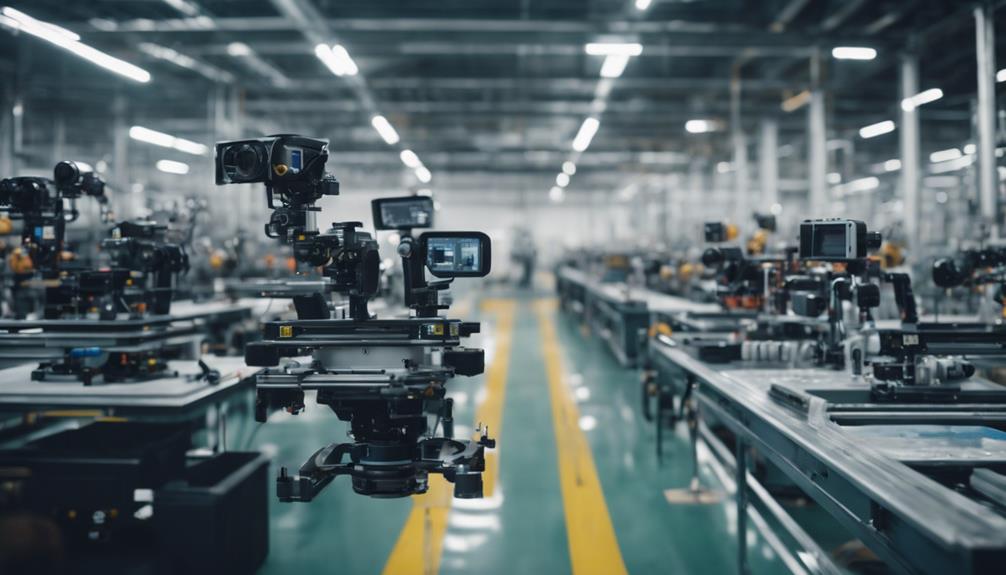
Once you've identified the key processes that highlight your manufacturing prowess, selecting the right equipment becomes essential. You're not just choosing tools; you're setting a stage where every piece of equipment plays a pivotal role in telling the story of your craftsmanship and innovation. It's vital to select cameras and lenses that capture the intricacies and precision of your processes. High-resolution cameras are your best bet, ensuring that every detail, no matter how minute, is visible and crisp.
Consider the lighting equipment as well; proper lighting will enhance the textures and depth of your machinery and processes. Soft, diffused lighting can help avoid harsh shadows and highlight the quality of your materials.
Moreover, stabilizing equipment like gimbals and tripods will prevent shaky footage, which can detract from the professional quality of your video.
Don't forget about high-quality microphones. Clear, crisp audio is just as crucial as visual clarity. It captures the ambient sounds of the machinery, which can be incredibly impactful and give viewers a real sense of the production environment.
Choosing the right equipment helps ensure that your video feels as inclusive and inviting as your actual work environment, making viewers feel like they're part of the process.
Storytelling Techniques
After selecting the perfect equipment, you'll want to focus on how you craft the story of your manufacturing process. Your goal is to make your audience feel they're a part of the journey, right there on the factory floor with you.
Start by introducing the passionate people behind the machines. Highlight their skills and dedication. It's not just about what you make, but who makes it and the care they put into the product.
Next, map out the journey of your product from raw materials to the final product. Use sequential footage to guide your viewers through each step, making them witness the transformation firsthand. This isn't just a process; it's a narrative of transformation and achievement.
Incorporate customer testimonials to add authenticity and relate to viewers on a personal level. Hearing from real users of your products creates a sense of community and trust. It shows that behind every machine, there's a satisfied customer whose life you've impacted.
Lighting and Sound Basics
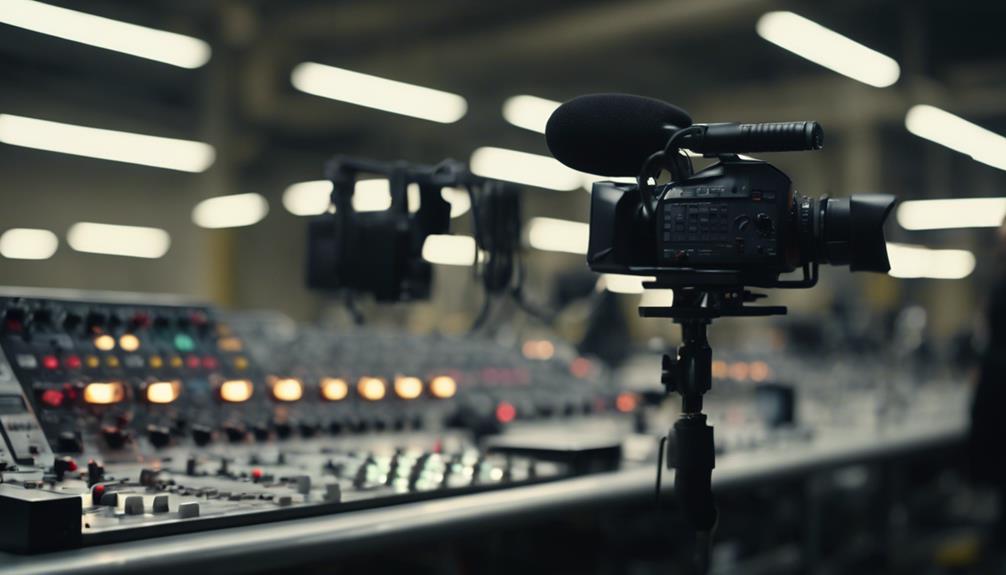
Often, the effectiveness of your video hinges on the quality of its lighting and sound. As you dive into creating your manufacturing process showcase, remember, you're not just making a video; you're inviting your audience into your world.
Good lighting isn't just about brightness; it's about making your workshop's intricate details shine and highlighting the craftsmanship that sets you apart. Daylight can be your ally, casting a natural, flattering light. But when that's not enough, or consistency is key, consider LED panels. They're energy-efficient and offer adjustable temperatures to match the mood you're aiming for.
Sound is equally crucial. It's not just what you say; it's how clearly your audience hears it over the hum of machinery. A decent lapel mic can be your best friend here, ensuring your voice carries clearly without catching too much background noise. Also, think about ambient sounds that could enhance your video's authenticity—like the rhythmic sounds of machines at work, which, when balanced well, can really pull viewers in.
Filming Best Practices
When filming your manufacturing process, it's crucial to maintain a steady camera hand or use a tripod to ensure your footage is as smooth and professional as possible. This simple step not only increases the quality of your video but also makes viewers feel like they're right there with you on the factory floor.
Let's talk angles and perspectives. You're not just making a video; you're inviting others into your world. Try various angles to capture the essence of your operations. A bird's-eye view can reveal the synchrony of your machinery, while close-ups on hands and tools communicate the craftsmanship and attention to detail your team brings to every task.
Remember, your equipment isn't just a tool—it's your ally. Whether you're using a smartphone or a professional camera, familiarize yourself with its features. Experiment with settings beforehand to find what best showcases your process.
This also includes understanding natural and artificial lighting, which can dramatically alter the appearance and mood of your footage.
You're creating more than just a video; you're crafting an experience that brings viewers into the fold, showing them every intricate detail of how your products are born. This is your chance to shine a light on your manufacturing pride and precision.
Editing for Clarity

Once you've captured all your footage, it's essential to dive into the editing process to ensure your video communicates clearly and effectively. The first step is to create a narrative that resonates with your viewers. You're not just showcasing a process; you're telling a story where every viewer feels part of your manufacturing journey. Keep your edits tight and transitions smooth to maintain viewer engagement.
When you're sifting through your footage, remember that clarity is king. Cut out any redundant scenes that don't serve the purpose of your story or add value to the understanding of your process. It's tempting to include everything, but less is often more.
Focus on sequences that highlight the precision and innovation of your operations.
Use graphics and text overlays sparingly. They should clarify your points, not clutter the screen. You want your audience to feel they're right there with you, not distanced by overly complex explanations or technical jargon. And don't forget about sound quality – clear, balanced audio without background noise enhances understanding and keeps your audience immersed in the experience. By following these guidelines, you'll produce a compelling video that invites viewers into your world.
Leveraging Social Media
Having perfected your manufacturing process video, it's time to tap into the power of social media to maximize its reach. You're not just sharing a video; you're inviting viewers into your world, showing them the pride and precision behind your products. Think of each platform as a unique gathering place where different groups of your potential customers hang out. You wouldn't speak the same way at a formal dinner as you'd at a backyard barbecue, right? It's the same with social media.
Start by identifying where your audience spends their time. Are they scrolling through Facebook, getting inspired on Instagram, or looking for in-depth content on YouTube? Once you know where they are, you can start speaking their language. Tailor your posts to fit the platform—short and snappy for Twitter, visually appealing for Instagram, detailed and informative for LinkedIn.
Don't just post your video; engage with your viewers. Respond to comments, ask questions, and participate in conversations. This interaction makes your audience feel valued and part of your community.
Measuring Video Impact
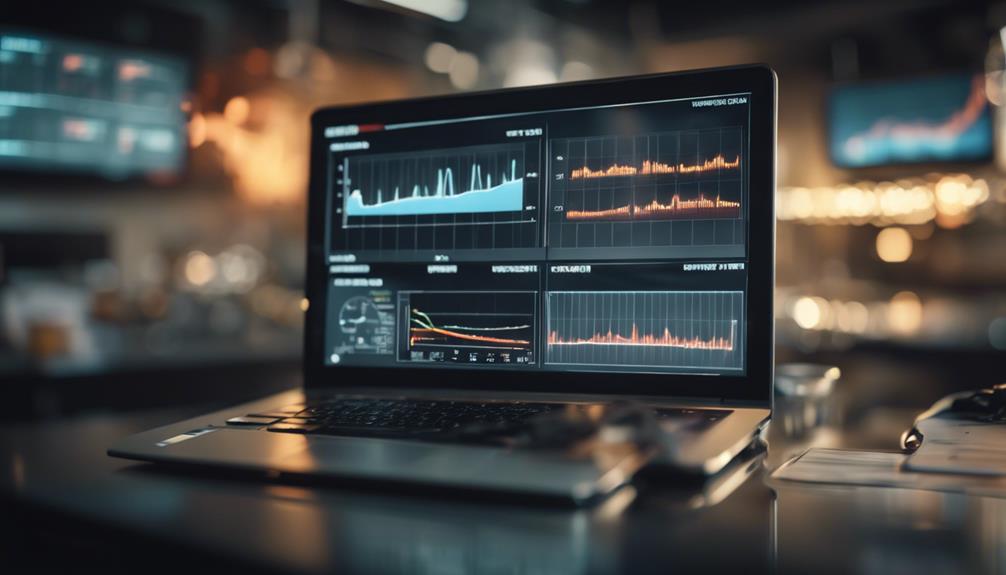
After you've engaged with your audience on social media and seen the initial reactions, it's important to evaluate how your video is performing overall. You're not just sharing content; you're fostering a community that sees value in your manufacturing processes. To truly measure the impact, start with the basic metrics such as views, likes, and shares.
However, delve deeper by analyzing comments for sentiments and questions. This feedback is invaluable—it's like having a direct line to what your community cares about.
Next, track the video's conversion rates. Are viewers taking the next step by visiting your website or inquiring about your services? This data will show you if the video is translating into tangible business outcomes. Use tools like Google Analytics or video analytics provided by social platforms to gather this information.
Frequently Asked Questions
How Long Should a Manufacturing Process Video Be?
You're wondering about the ideal length for a manufacturing process video? Aim for 2-5 minutes. It's long enough to cover key details but short enough to keep everyone's attention and make them feel included.
What Are Common Legal Considerations for Filming in a Factory?
When you're filming in a factory, you'll need to consider privacy rights, intellectual property, and workplace safety laws. Always get permissions and ensure you're not disclosing trade secrets or personal employee information.
Can Employees Feature in Process Videos Without Special Training?
Yes, you can feature employees in your process videos without special training. Just make sure they're comfortable and give clear, simple instructions to showcase their roles authentically and effectively in the video.
What Are the Best Seasons to Shoot Manufacturing Videos?
You'll find spring and fall ideal for shooting your manufacturing videos, as the mild weather and natural light enhance visual quality. Plus, these seasons avoid the extreme conditions of summer and winter.
How Do Cultural Differences Impact Global Video Reception?
Cultural differences can greatly affect how your video is received worldwide. You'll want to research and respect local customs to ensure your content resonates and doesn't offend your global audience. It's crucial for broad acceptance.
Conclusion
Now that you've got the tools, it's time to shine a spotlight on your manufacturing processes. Remember, understanding your audience shapes the story you tell. Use top-notch equipment, and don't skimp on lighting and sound to make your video pop. Keep your editing crisp and clear, and leverage social media to amplify your reach. Track your video's performance to see the impact and refine your approach. You're all set to capture and share your industrial artistry!
Related articles: What Makes a Great Manufacturing Process Video? · Showcasing Manufacturing Processes Through Video: Best Practices · 3 Key Tips for Showcasing Manufacturing Processes on Video